

Adelphi began with two sisters who wanted to return to the land.
Adelphi is Kokonut’s first live reference farm, founded and operated by sisters Yanny and Neury Hernández in Gonzalo, Sabana Grande de Boyá, Monte Plata, Dominican Republic. Before the farm became a Framework implementation, an MRV site, or a public data source, it began as a personal decision:Yanny and Neury wanted to build an agricultural future on land they owned, connected to a family history of farming.This page tells that story. It does not use the founders’ story as proof that every intended social, ecological, or economic outcome has already been achieved. Those claims belong in the farm’s operating records, MRV, forecasts, and evidence pages.
See Adelphi today
Move from the founders’ story into the farm’s documented state, physical systems, forecasts, and current evidence.
Inspect published records
Use the Kokonut Hub for current published farm, harvest, MRV, milestone, and project records.
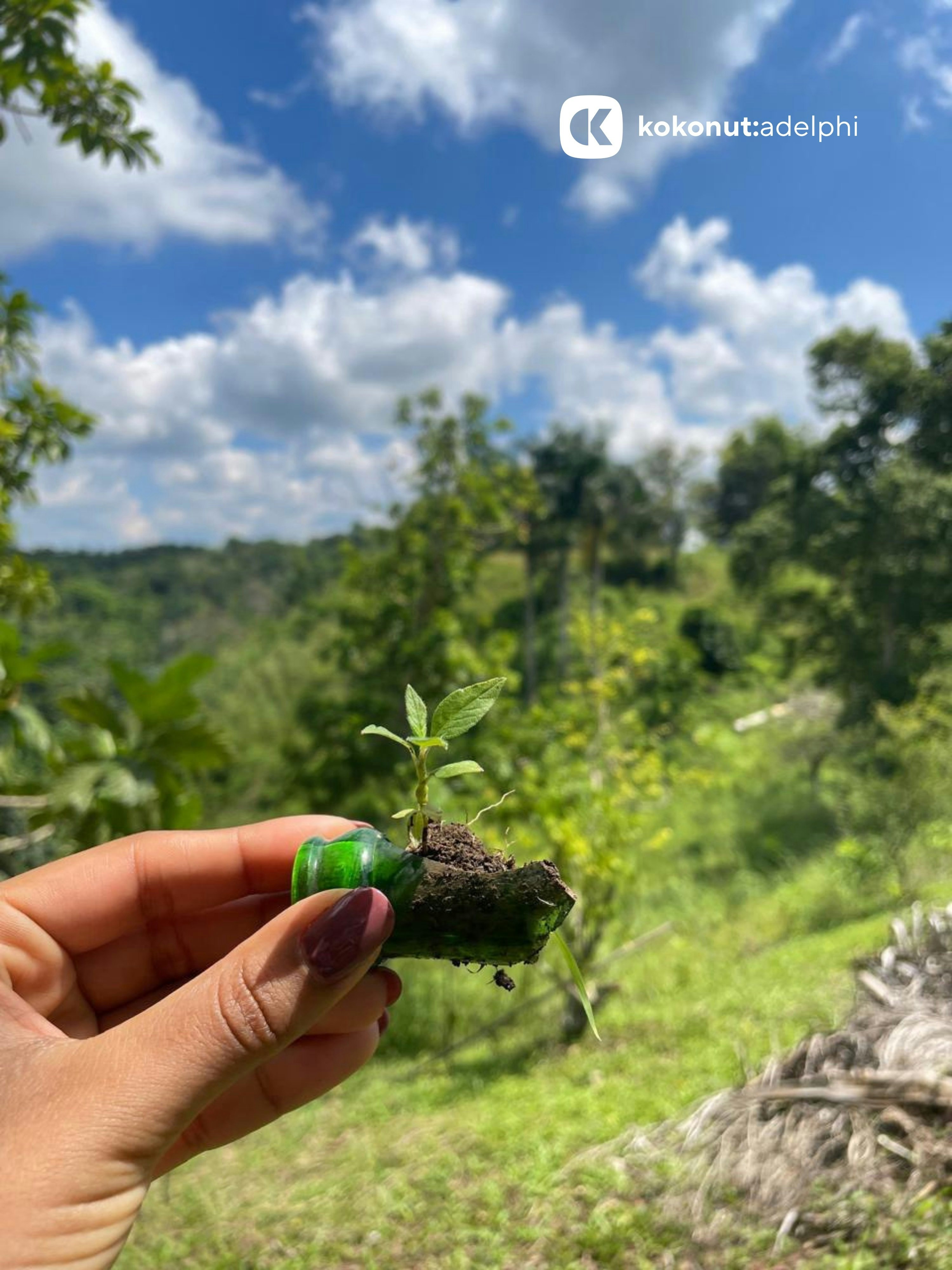
The background story is narrative context. It explains why Adelphi exists, who founded it, and which problem the founders encountered. It should not substitute for evidence of farm performance or impact.
What the repository documents
The current Kokonut documentation consistently describes the following founder history.Two sisters
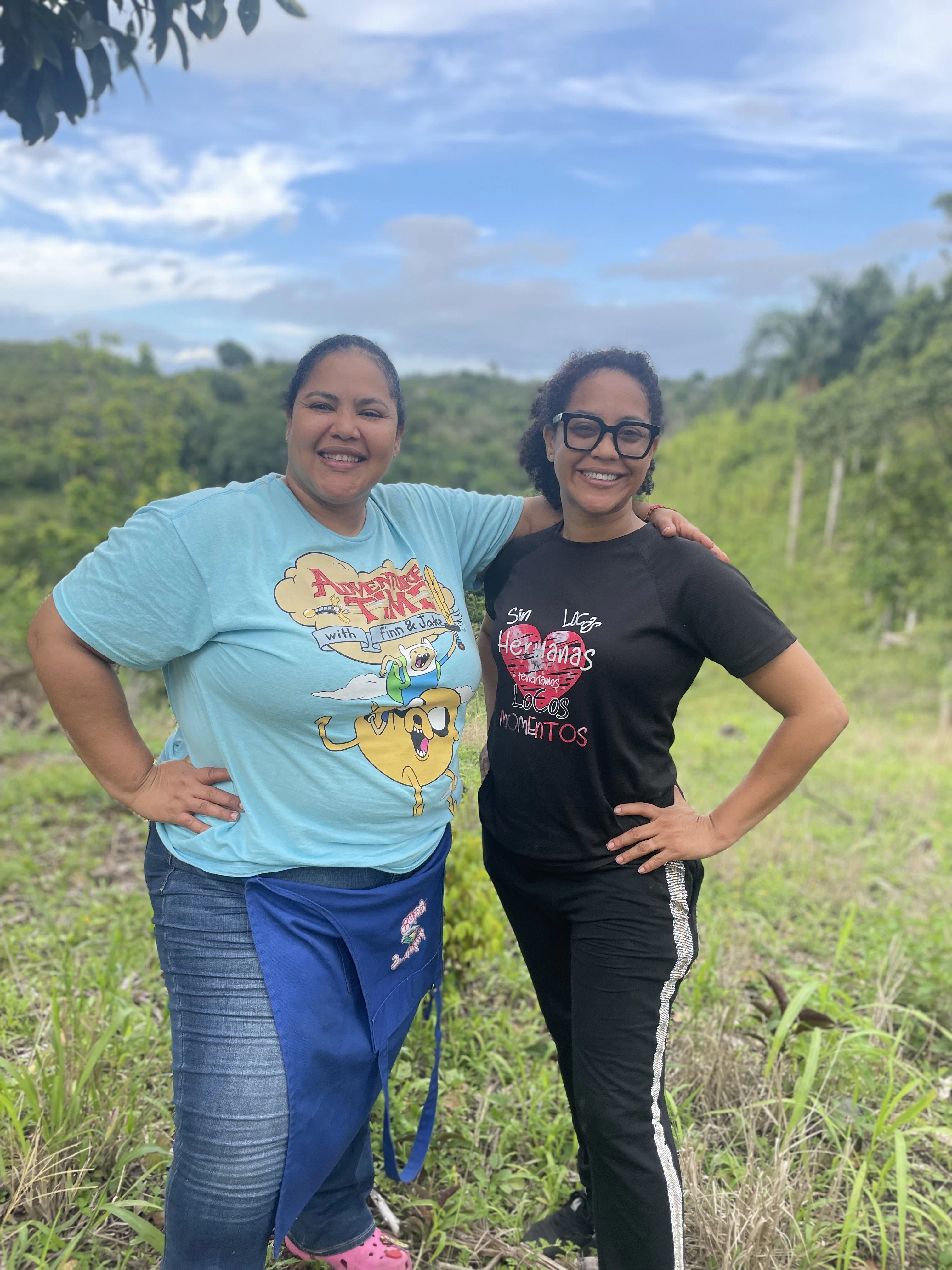
Yanny and Neury Hernández are sisters, single mothers, landowners, founders, and operators of Adelphi.
Family connection to farming
They grew up in a farming family and spent childhood vacations at their grandparents’ countryside home.
Different city careers
Yanny built a career in the pharmaceutical industry. Neury became a professional manicurist.
Land purchased in 2022
The sisters purchased land in Gonzalo with the intention of building an agricultural future tied to family legacy and community benefit.
Capital and infrastructure gap
The documented barrier was the financing needed to prepare the land, install infrastructure, and begin operating the farm.
Public-goods support
Public Nouns Proposal #69 helped fund critical infrastructure that allowed the project to move from intention into implementation.
A family memory that survived city life
Yanny and Neury’s relationship with agriculture did not begin with Kokonut Network. The repository describes them as growing up in a farming family and spending childhood vacations at their grandparents’ countryside home in the Dominican Republic. That memory remained part of their lives even as their adult careers moved in different directions.- Yanny worked in the pharmaceutical industry.
- Neury became a professional manicurist.
The land came before the coordination infrastructure. The founders came before the Framework.That ordering matters to the way Kokonut now describes Adelphi: shared infrastructure should support local operators rather than replace them.
2022: from intention to land ownership
In 2022, Yanny and Neury purchased land in Gonzalo. The repository describes their intention as building a future where they could:- work with the land;
- preserve a family relationship with agriculture;
- build something useful for their household;
- create benefits that could extend into the surrounding community.
The gap between owning land and operating a farm
The strongest problem documented in Adelphi’s origin story is not a generalized claim about all rural communities. It is specific:Yanny and Neury owned the land but lacked the capital and infrastructure required to turn it into a working farm.Moving from land ownership to production required resources for areas such as:
- land preparation;
- water and irrigation systems;
- tools;
- planting;
- physical infrastructure;
- early operating support.
See the local problem framing
The Problem & Solution page separates this directly documented financing constraint from the broader community, education, food, biodiversity, and gender outcomes Adelphi is designed to pursue.
Public Nouns #69: the turning point
Public Nouns Proposal #69 helped fund critical Adelphi infrastructure. The significance of that event is practical. Before funding: land + intent + local operators After funding, the project could begin building: land + operators + infrastructure + production systems + public documentation The proposal did not automatically prove that the farm would be profitable, regenerative, educational, or replicable. It created the conditions for those questions to be tested in the real world.Why the name Adelphi matters
The existing project narrative explains Adelphi as a reference to the relationship between the two sisters. That meaning fits the way the farm is presented throughout the repository:- family before infrastructure;
- local operators before network abstractions;
- cooperation rather than replacement;
- shared work rooted in a specific relationship to land.
From a personal project to a public-good-aligned farm
The founders’ original motivation was personal and practical. As the farm developed, Kokonut documentation expanded the project around additional goals:- diversified food production;
- regenerative farming practices;
- biodiversity and nursery work;
- poultry;
- community and training infrastructure;
- public farm records;
- MRV;
- reusable learning for future farms.
The physical farm
See which crop, poultry, nursery, biofactory, soil, training, and geospatial systems now exist around the founders’ original project.
The evidence layer
See how physical farm activity should become observations, measurements, reviewed records, attestations, and interpreted claims.
Community purpose: intent first, outcomes second
The repository describes Adelphi as a community-first project. It also identifies nearby communities, including the batey and Haty community, within the farm’s intended local context. The farm’s community-oriented design includes:- a multipurpose gazebo;
- workshops and demonstrations;
- agricultural education;
- nursery propagation;
- seedling distribution;
- a space for meetings and gathering.
The story can explain why these goals exist. It cannot prove they were achieved. That distinction is now consistent across the Adelphi farm pages.
Women-led ownership is a documented fact
Yanny and Neury are not symbolic beneficiaries of the project. The repository documents them as:- sisters;
- single mothers;
- landowners;
- founders;
- farm operators.
Women are directly connected to the land, project leadership, and farm operations at Adelphi.It does not by itself prove a broader reduction in gender inequality across the surrounding community. That broader outcome would require additional evidence on employment, participation, income, access to opportunity, and decision-making over time.
Ecology is part of the stewardship story — but outcomes need measurement
The repository connects Adelphi’s human story to:- syntropic farming;
- native and at-risk species propagation;
- biochar;
- agroforestry;
- ground cover;
- poultry integration;
- nursery work.
- a planted native species is a recorded intervention;
- a GPS point is provenance;
- repeated survival data is a measured outcome;
- a biodiversity-restoration claim is an interpretation requiring a defined method.
The story timeline
Family farming memory
Yanny and Neury grow up in a farming family and spend childhood vacations at their grandparents’ countryside home.
City careers
Yanny works in the pharmaceutical industry while Neury builds a career as a professional manicurist.
2022 land purchase
The sisters purchase land in Gonzalo with the intention of building an agricultural future tied to family legacy and community benefit.
Financing constraint
They encounter the gap between owning land and financing the infrastructure required to operate it.
Public Nouns #69
Public-goods funding helps finance critical farm infrastructure.
Adelphi becomes operational
The project develops production, poultry, nursery, biofactory, training, and farm-data systems.
Evidence begins to accumulate
Farm records, MRV, the Kokonut Hub, and later analysis create a path from story to inspectable evidence.
Story, implementation, evidence
The strongest Adelphi narrative keeps these three layers separate.The story explains why the work began. The evidence explains what happened after it began.
A note on the old “In their own words” passage
The previous version of this page presented the following project description as a direct quotation from the founders:“Adelphi is more than just an agricultural project…”The repository does not provide a source that attributes those exact words directly to Yanny or Neury. For that reason, this revision removes the “In their own words” label. The underlying sentiment—Adelphi as a place for land stewardship, community learning, and a more sustainable future—remains part of the documented project narrative, but it should not be represented as a verbatim founder quote without a source.
What this story can support
Local agency preceded the network
The founders purchased land and held the agricultural vision before Kokonut’s coordination infrastructure was applied to the project.
The financing gap is directly documented
Land ownership did not remove the need for infrastructure and early operating capital.
Public-goods capital reached physical infrastructure
Public Nouns #69 helped move the project from land ownership toward an operating farm.
Women remain central to the project
Yanny and Neury are documented as owners, founders, and operators rather than passive beneficiaries.
What the story does not prove by itself
- poverty reduction;
- household-income improvement;
- food-security impact;
- ecological restoration;
- biodiversity recovery;
- education outcomes;
- community resilience;
- farm profitability;
- successful replication to another farm.
How the story connects to Kokonut
Adelphi matters to Kokonut because it keeps the system anchored in a real operating context. The story helps explain why the architecture now separates:- local farm operators;
- capital governance;
- contribution coordination;
- Framework methodology;
- MRV;
- public data;
- analysis and automation.
Read the Kokonut Manifesto
See the values that should constrain how Kokonut approaches land, local agency, technology, capital, evidence, and community participation.
Continue through Adelphi
Adelphi Overview
Return to the canonical farm overview, documented state, Framework phase, forecasts, and current evidence.
Problem & Solution
See how the founders’ financing constraint is separated from broader outcomes the farm is designed to pursue.
Crops, Biodiversity & Infrastructure
See what was physically built around the founders’ original agricultural project.
Crops & Harvest Forecast
Review the farm’s production assumptions without confusing modeled revenue with achieved outcomes.
MRV — Evidence Standard
Understand how the farm’s story moves from narrative into inspectable records and evidence.
Sustainable Development Goals
See how the human story maps to SDG claims only where evidence supports the connection.
Adelphi’s origin is important because the project did not begin with a token, a DAO, or a software stack. It began with Yanny and Neury, land they chose to own, and a decision to try to build a future from it.